How New-Age Parents Are Choosing Online Education for Their Children
The way parents look at education is changing rapidly. For today’s families, education is no longer limited to school textbooks, examinations and marks. Parents increasingly look for learning opportunities that can help their children develop communication, confidence, logical thinking, digital skills, competitive-exam readiness and emotional well-being from an early age.
This shift has also changed the role of online education. Instead of considering online learning merely as an alternative to physical tuition, many parents now evaluate platforms according to the quality of teachers, personal attention, age-appropriate courses, convenience, affordability and the variety of skills a child can develop over several years.
Parents Are Looking for a Complete Learning Journey
A modern parent may begin looking for a class when a child is only three or four years old. At this stage, the objective is usually not examination preparation. Parents want children to listen better, communicate confidently, develop imagination and become comfortable expressing themselves.
As children grow, the requirements change. They may need stronger English, mathematics and computer fundamentals. Later come Olympiads, higher-school science, board examinations and competitive examinations such as JEE and NEET.
Eventually, the question becomes even bigger:
What should my child study, which career should they choose, and how should they prepare for that future?
This is why parents increasingly appreciate educational platforms that can remain relevant during different stages of a child’s development rather than solving only one academic problem.
Jibon O Jeebika: Building an Education Ecosystem
Within a relatively short period of its development, Jibon O Jeebika has built an online learning model that attempts to address several stages of a student’s educational journey.
The organisation describes itself as a volunteer-run, non-profit educational initiative supported by teachers, scientists, engineers and other professionals, with programmes ranging from early learning to higher-level academic preparation.
The idea is simple: education should grow with the child.
Starting Young: Storytelling and Communication
For children aged approximately 3–7 years, Jibon O Jeebika offers online storytelling classes designed around stories, vocabulary, listening, comprehension, imagination and expression.
Children are encouraged not merely to listen but also to answer questions, predict what happens next, describe pictures, draw characters and gradually retell stories in their own words.
For parents, this kind of early exposure can help make learning enjoyable before formal academic pressure begins.
Building Strong Foundations
As children enter primary school, parents increasingly understand the importance of strengthening the basics instead of waiting until Classes 9 or 10.
Jibon O Jeebika therefore extends learning into areas such as:
- Basic Mathematics and mathematical thinking
- English and communication development
- Basic computer education and digital familiarity
- Science and concept-building
- Foundation-level preparation for advanced mathematics and science
Its primary-level computer programme, for example, introduces young learners to computers, input and output devices, typing, Paint, storage and basic computer usage. Its basic mathematics programmes focus on fundamental concepts such as numbers, arithmetic, shapes and spatial understanding.
From Foundation Learning to Olympiads
As students become more academically mature, learning needs to move beyond memorising textbook answers.
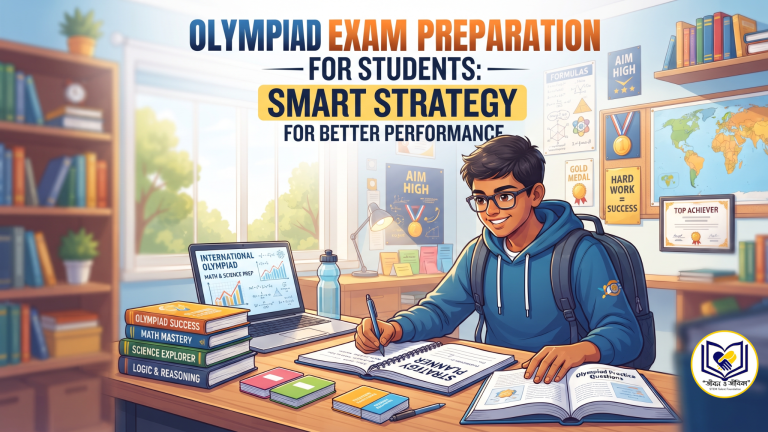
Olympiad-style mathematics and science can encourage students to think differently, connect concepts and solve unfamiliar problems. This transition from basic learning to application-based learning is particularly important for students who may eventually target competitive examinations.
The objective is to develop problem-solving habits gradually instead of suddenly introducing highly competitive material in Classes 11 and 12.
Supporting High-School Science and JEE/NEET Aspirants
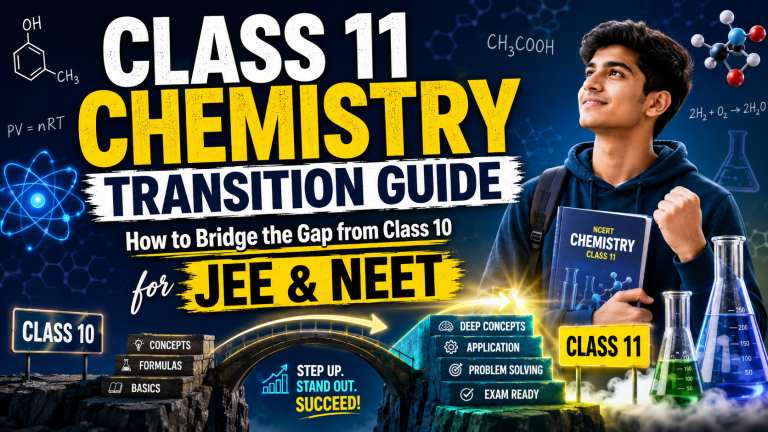
At the senior-school level, academic requirements change significantly. Physics, Chemistry, Biology and Mathematics become more conceptual, and students preparing for examinations such as JEE Main, JEE Advanced and NEET need systematic preparation.
Jibon O Jeebika currently provides programmes aimed at this stage as well, including foundation and JEE-oriented mathematics. Its JEE Mathematics programme emphasises conceptual understanding, mathematical thinking and systematic problem solving rather than formula memorisation alone.
This creates a possible learning path in which a student can progress from basic mathematics and science into Olympiad-level thinking and ultimately competitive-examination preparation.
Education Is Also About Choosing the Right Road
One of the biggest concerns parents face today is career uncertainty.
Students are surrounded by rapidly changing career options, artificial intelligence, new technologies and emerging professions. Choosing between Science, Commerce and Humanities—or deciding which university course or career direction to pursue—can therefore become confusing.
Jibon O Jeebika’s online student counselling programme addresses areas including study habits, academic pressure, motivation, confidence, stream selection, career questions and future planning.
This reflects another important change in new-age parenting: parents increasingly realise that children sometimes need guidance and clarity, not simply another tuition class.
Mental and Physical Well-Being Matter Too
Academic achievement alone cannot guarantee that a student remains healthy, focused and confident.
Children today often experience long study hours, examination pressure, excessive screen exposure and limited physical activity. Parents are therefore becoming more conscious of mental and physical well-being alongside academic success.
Jibon O Jeebika incorporates online yoga for children into its broader educational offering, with the stated aim of making physical activity and mind-body wellness more accessible to students studying from home.
It represents an important philosophy:
A successful student needs a strong mind, a healthy body and a clear sense of direction.
From Storytelling to Career Planning — One Continuous Journey
Perhaps the most distinctive aspect of the Jibon O Jeebika model is the breadth of the journey it attempts to create.
A child may begin with storytelling and communication, move to basic English, computers and mathematics, progress towards foundation science and Olympiad preparation, advance to higher-school science and JEE/NEET preparation, and later receive career and student counselling while also having access to programmes such as yoga for physical and mental well-being.
That is very different from viewing education as a collection of disconnected tuition classes.
It treats education as a journey:
Curiosity → Foundation → Skills → Academic Excellence → Competitive Preparation → Career Direction → Well-Being
For new-age parents, this increasingly represents what meaningful education looks like—not simply helping a child score marks in the next examination, but preparing that child to communicate, think, compete, choose wisely and grow confidently for the future.